


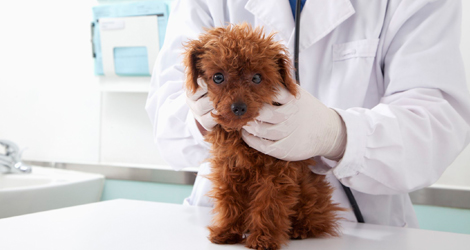
A responsible pet owner cares not only for their pet’s overall health but also for its well-being, which greatly depends on birth control. Spay and neuter are procedures that are performed on furred pets, including dogs and cats.
At Bloor-Kipling Animal Clinic, we perform safe spay and neuter surgeries after a detailed health assessment of your beloved four-legged pet. Over the years, our Etobicoke veterinarians have earned a strong reputation for pet spay surgeries in a hygienic environment.
Low-Cost & Safe Spaying & Neutering For All Pets
If you are looking for a spaying and neutering clinic in Etobicoke, your search ends here. We offer low-cost spay and neuter surgeries for pets of all ages. Our veterinarians are qualified to help your dog or cat live a healthy life by providing affordable spay and neuter services to local pet owners. Our treatment procedures are ideal for the community and offer an easy way to help your adorable furry friend live a longer, healthier life.
- Puppy Spay & Neuter
- Dog Spay & Neuter
- Kitten Spay & Neuter
- Cat Spay & Neuter
What To Know Before Surgery?
- Whether it’s a dog or a cat, animals must fast before surgery.
- Don’t feed them late at night before surgery.
- On the day of surgery, your pet must be in good health.
- If your pet is coughing, sneezing, or has diarrhea, we may decline the surgery.
After Spay & Neuter Recovery Process
As soon as the procedure is over, let your pet rest in a clean, isolated environment. Give them light food to digest in the wee hours, then slowly move to a normal diet within a day or two. Avoid excessive body movement that could stress the organs. Don’t bathe your dog or cat for at least 10 days post-surgery.
Frequently Asked Questions
Spaying or neutering your pet at a reliable veterinary clinic lowers the chance of unwanted litters, reduces the risk of some cancers, and can help your pet behave better and live longer.
You can spay or neuter most pets at 4 to 6 months old, but your vet will recommend the best time based on your pet’s breed, size, and health.
No. To keep your pet comfortable before, during, and after the procedure, our vets use safe anesthesia and pain management.
Spaying stops heat cycles and unwanted pregnancies, lowers the risk of breast cancer, and prevents uterine infections.
Neutering can make males less aggressive, less likely to mark their territory, and less likely to roam. It also lowers the risk of testicular cancer.
Yes, older pets can often be spayed or neutered, but your veterinarian will first assess their overall health to determine whether surgery is appropriate.
You can schedule an appointment for your pet’s spay or neuter by calling our animal clinic or by filling out the appointment request form on our website.